
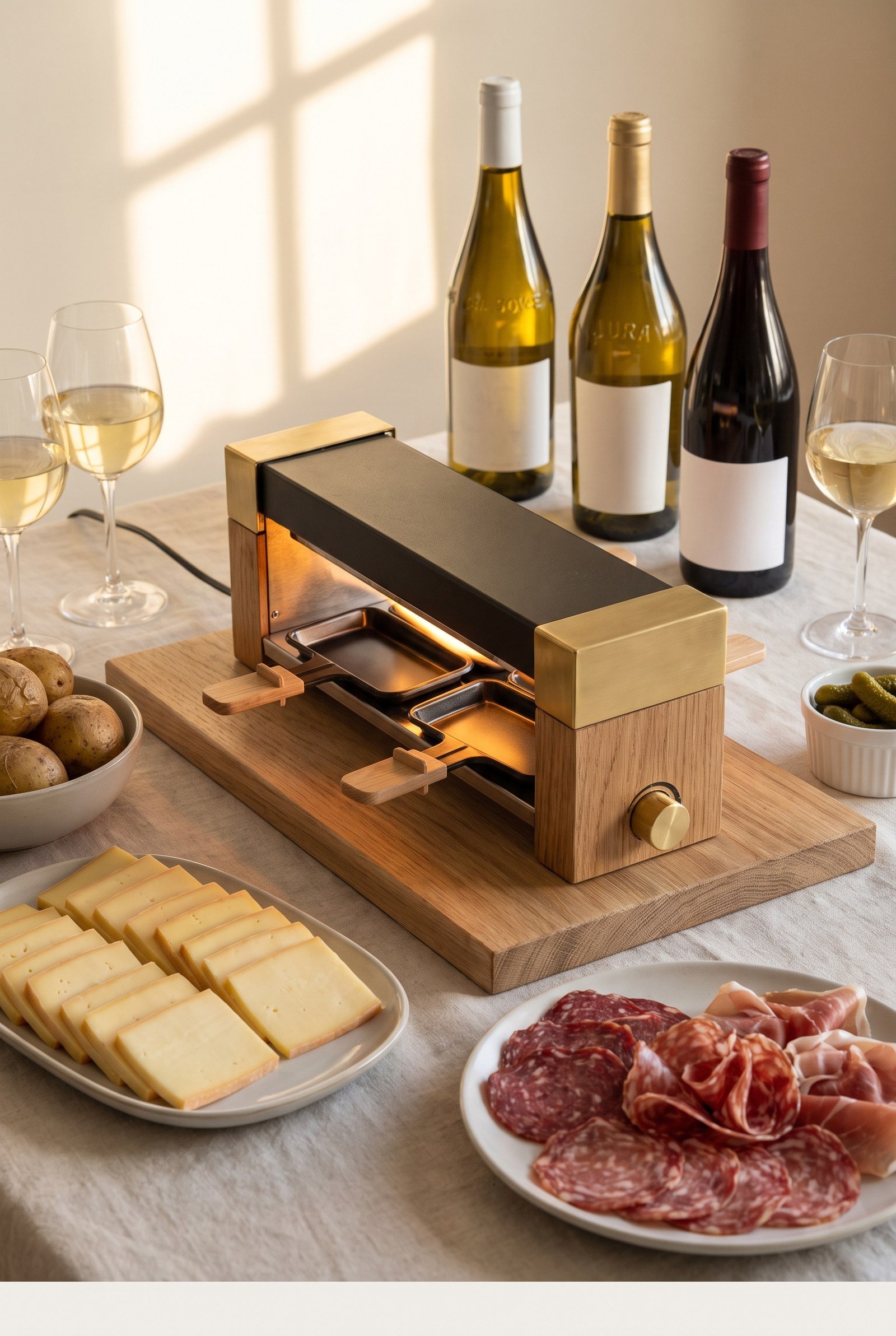
What wine should you serve with raclette?
Eight guests, the oven’s already preheating, and you’ve been standing in front of the wine rack for ten minutes. Wine Line® manufactures wine racks and doesn’t sell a single bottle. With no inventory to clear out, there’s no reason to line up twenty different wines. Here are the three wines that work, the two that ruin the meal, and how much to buy. Plus a wild card—sparkling wine—if it’s a mixed-group dinner.

Wines to serve with raclette, in three categories
A crisp, dry white wine from Savoie. Apremont, Abymes, Chignin: their acidity cuts through the richness of melted cheese, and they rarely exceed 12.5 degrees, which is important for a meal that lasts two hours. Roussette, which is slightly richer, plays the same role with aged cheese. Serve them well chilled.
If you’re not in the mood for white wine, go for a light, low-tannin red—such as a Gamay from Beaujolais or a Pinot Noir—also served chilled. The rest can be summed up in one sentence: the more smoked or aged the cheese, the more body the wine should have.
| Your Situation | The wine to open | Why this one? |
|---|---|---|
| Classic raclette, Savoie cheese | Apremont or Chignin, at 9 °C | With crisp acidity and moderate alcohol content, it’s perfect for an evening out |
| Smoked Raclette or Morbier Raclette | Côtes-du-Jura Chardonnay or Savagnin with added wine | Texture and a salty contrast against the smokiness |
| A lot of cold cuts | Brouilly or Chiroubles | The Gamay fruit complements savory flavors without overpowering them |
| You don't drink white wine | Pinot Noir, at 14 °C | Low tannins, fresh, not at all heavy |
| You want to keep it simple | Crémant brut from Savoie or the Jura | The bubbles cleanse the palate between sips |
The Three Wines That Are Sure to Be a Hit
Three flavor profiles cover nearly all raclette evenings. The wine listed first in each profile is our recommendation; the appellations listed next serve the same purpose in other parts of France. There’s also a wild card that doesn’t count toward the total: sparkling wine.
A crisp white wine from Savoie—the go-to choice
Jacquère is the primary grape variety used in Savoie white wines, and it delivers exactly what one would expect here: a dry, crisp wine with a hint of minerality and subtle fruit. Under the labels “Apremont” or “Abymes,” it can be found at nearly every winery in the valley. Chignin follows the same profile, but with more floral notes.
A step above, the Chignin-Bergeron—made from Roussanne grapes—is fuller-bodied and richer on the palate. The Roussette de Savoie, made from Altesse grapes, offers richness and floral notes without losing its freshness. These two pair better with aged cheese, and they also have a slightly higher alcohol content.
The same logic applies elsewhere. In Alsace, a dry Riesling or a Pinot Blanc offers the same mineral intensity. In Burgundy, a Mâcon-Villages or Saint-Véran Chardonnay, vinified without oak. And in the Loire, a dry Chenin holds its own perfectly. The profile matters more than the region.
A white wine from the Jura if you're looking for something with more body
Wines from the Jura region produce white wines with more body, which come into their own as the cheese develops more intensity. A Côtes-du-Jura made from Chardonnay, vinified using the ouillé method, remains crisp while offering more body than a Savoyard wine.
Savagnin takes on a different character, and it’s important to distinguish between its two styles. In the “ouillée” style—where the barrel is regularly topped off to keep air at bay—it remains crisp and lemony, with a salinity that stands up well to the smokiness. Notes of walnut, curry, and dried fruit come from the other school—aging under a veil, the “vin jaune” method. Here, the pairing becomes spectacular for some and indecipherable for others. Taste the bottle before the evening.
The Jura wineries are small, and so are their production volumes. If you’re hosting a gathering in December, be sure to reserve in advance.
A light red wine, as long as it isn't tannic
A red wine with raclette works under one condition: it must be low in tannins. Tannins bind to the proteins in the milk, causing the wine to lose its fruitiness and leaving a rough sensation on the palate.
Gamay checks all the boxes. A Beaujolais-Villages, a Brouilly, or a Chiroubles offers red fruit flavors and a supple structure, and many Beaujolais estates now use gentle extraction methods. Morgon and Moulin-à-Vent are the region’s age-worthy wines, with firm tannins: save them for red meat. Pinot Noir from Alsace serves the same purpose as Gamay, but with a more delicate profile.
The Mondeuse de Savoie is the local exception, and let’s be frank: it’s a full-bodied grape variety, a cousin of Syrah, capable of aging for ten years in the cellar. It has peppery notes with a hint of violet. Paired with raclette, it works under two conditions: choose it young and serve it chilled, around 14 °C, preferably with a matured or smoked cheese. It demands a bit more attention from the drinker than Gamay does.
Elsewhere, the Jura blend offers a slightly wild, delicate character, and the Saumur-Champigny from the Loire brings a light, crisp texture. In the Rhône, look for a lightly extracted Syrah from the north.
The Wild Card: Bubbles
A sparkling brut cleanses the palate between bites of raclette, and it settles the white-versus-red debate when the table is divided. Crémant de Savoie, Crémant du Jura, and Crémant d’Alsace are all good choices, often at the price of a good still white wine.
Champagne also works well, whether it’s brut nature or extra-brut. A crisp blanc de blancs pairs very well. A full-bodied, dosed champagne aged in oak, however, is much less suitable: it competes with the cheese.
The two wines that ruin a raclette
Two profiles don't quite fit, and we see them on every December table.
The first is a tannic, full-bodied red: a Bordeaux for aging, a Madiran, a Cahors, or a full-bodied red from the southern Rhône at 14.5 degrees. The tannins don’t pair well with melted cheese; the wine leaves your mouth feeling dry and takes on a bitter taste. You end up ruining both. A fine bottle sacrificed on a dish that wasn’t meant for it.
The second, a white wine that was too oaky: a Chardonnay aged in new oak barrels, with its notes of vanilla and butter, added richness to a dish that was already overflowing with it. The pairing became cloying by the third helping of raclette.
Our position—and it’s not universally accepted—is that cured meats are no excuse. Many people reach for a full-bodied red as soon as there’s cured meat on the table. Both salt and tannins dry out the mouth, and the two effects combine. Stick with a light, easy-drinking red, even with a generous platter of cured meats.
Your cheese really makes a difference
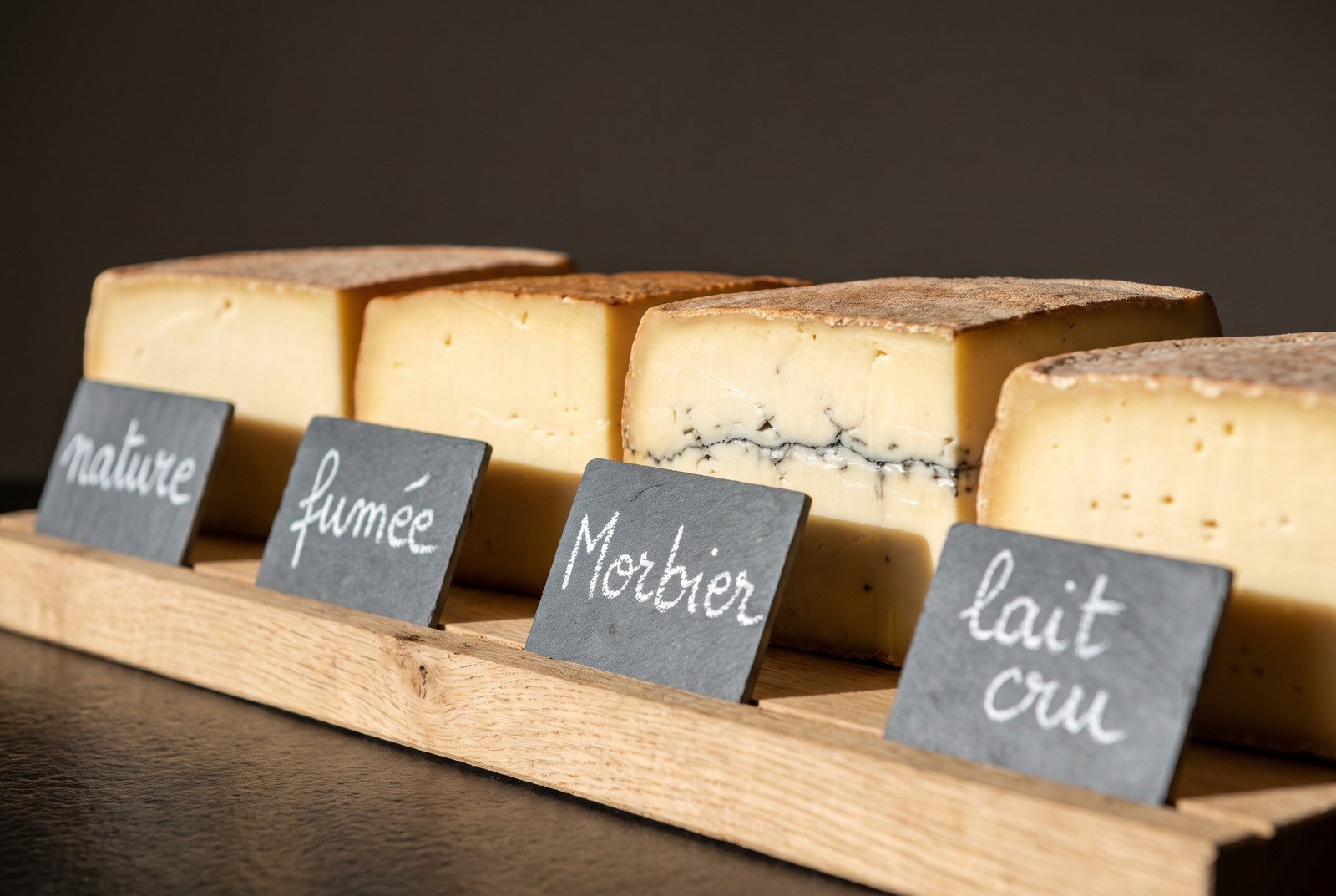
The above recommendation applies to classic raclette made with cow's milk. There are a few exceptions to this rule.
Smoked raclette. The smokiness overpowers a white wine that’s too light. Try a Jura or a Chignin-Bergeron instead. You need a wine with more body to stand up to it.
Morbier Raclette. Its black stripe is made of vegetable charcoal applied to the curd; it has no taste—it’s simply a visual signature, nothing more. It’s the cheese itself that speaks: milky and fruity when young, with more roasted and animal notes as it matures. A Savagnin topped up with wine pairs well with it, and since Morbier AOP is always made from raw milk, expect an expressive cheese.
Raclette made with raw milk. The longer the aging process, the richer the wine should be. A young Apremont goes down easily.
Raclette with white wine or herbs. Stick with a white wine from Savoie—the pairing is almost a given.
What about potatoes? They don't affect the choice of wine. Cold cuts, on the other hand, do: the more there are on the table, the more a light red wine becomes a viable option.
At what temperature should they be served?
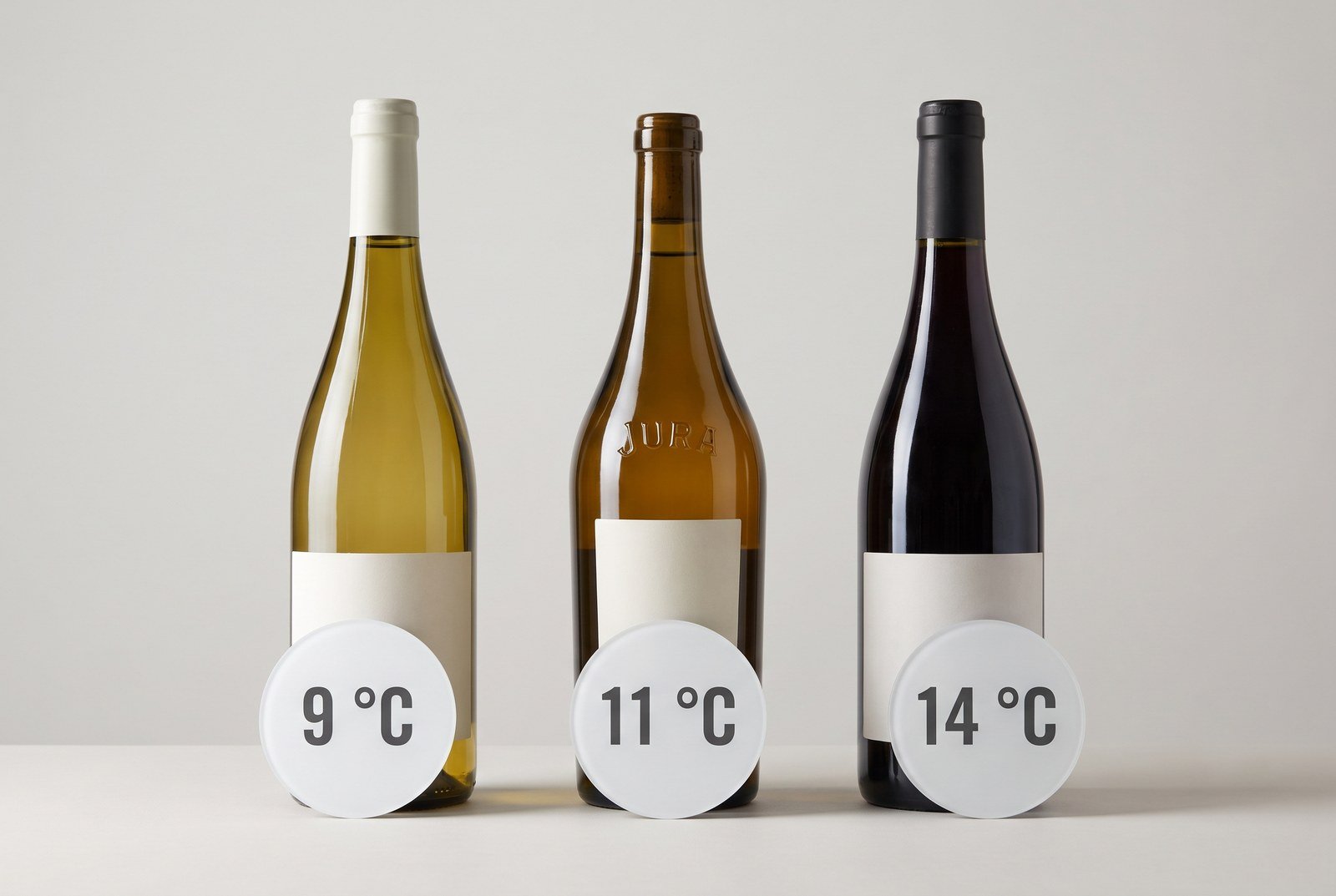
If it's too cold, the wine doesn't come through. If it's too warm, the alcohol comes to the forefront and the pairing falls apart. The guidelines can be summed up in five lines.
- Savoy whites and crisp dry whites: 8 to 10 °C
- Jura whites, Chignin-Bergeron, full-bodied Chardonnay: 10 to 12 °C
- Light reds, Gamay, Pinot Noir, Trousseau, young Mondeuse: 13 to 15 °C
- Crémant brut: 6 to 8 °C
- Brut or extra-brut champagne: 8 to 10 °C
Two helpful tips. The heat from the appliance warms up the glasses and bottles placed next to it, so take the wine out of the fridge as you go. And a red wine served at 20 °C in a heated room will taste flat and overly alcoholic, even if it’s good. About 20 minutes in the refrigerator is enough to bring it back to the ideal temperature range.
How many bottles should I plan on per person?
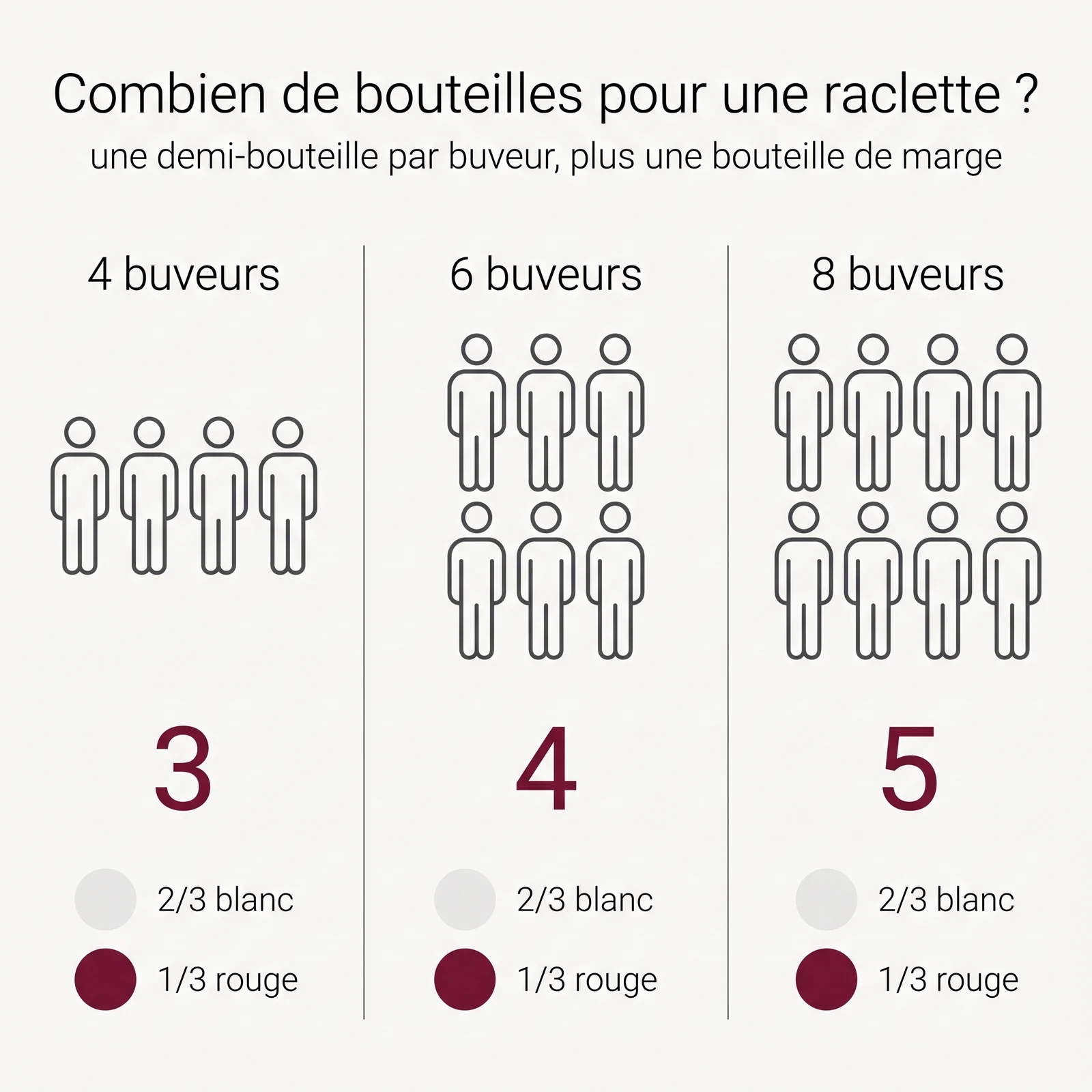
A 75-cl bottle fills six 12.5-cl glasses. At a raclette dinner, the meal goes on for a while, and guests drink slowly but steadily: allow three glasses per adult who drinks, or half a bottle per person.
For eight people, six of whom drink wine, that comes to three bottles. Take four. Keep the extra bottle; if one is missing at 10 p.m., don’t replace it. The rule can be summed up in one line: half a bottle per drinker, plus one extra bottle.
Two tips. If you’re serving Crémant as an aperitif, count it separately—allow six to eight flutes per bottle. And if the meal includes both white and red wine, plan on two-thirds white: that’s what goes first with this dish.
The calculation varies depending on the length of the meal and the number of children at the table. Our detailed guide to the number of bottles of wine to plan for per person provides guidelines for a sit-down dinner, a standing buffet, or a large festive meal.
How about a tartiflette or a fondue?
Tartiflette takes this same concept a step further: melted Reblochon, bacon bits, cream, and onions. The dish is richer and saltier than raclette. A crisp white wine from Savoie is still the best choice—such as Apremont or Roussette—and Chignin-Bergeron pairs well thanks to its full-bodied character. For red wine, a young Mondeuse holds its own against the bacon bits.
Savoyard fondue already contains white wine, so the pairing is practically a given: serve the same wine used in the fondue pot, or one from a neighboring appellation. For a Comté fondue, a Côtes-du-Jura is a better choice. For a Vacherin fondue, step it up a notch with a Savagnin with added water.
These dishes share a common principle: food-and-wine pairings hinge on the balance between the dish’s richness and the wine’s acidity. Raclette is the most obvious example of this.
Frequently Asked Questions
Do you have to have a Savoie wine with raclette?
No. Savoie has the advantage of cultural proximity and often reasonable prices, and its white wines have the right profile. An Alsatian Riesling, a Chenin from the Loire, an Aligoté from Burgundy, or a dry white from the Jura will do just as well. The key factor is the wine’s profile: dry, lively, with little oak. The region listed on the label is secondary.
Does a crémant or a champagne really work?
Yes, as long as you choose a dry, crisp sparkling wine. The bubbles and acidity cleanse the palate between slices of melted cheese, making the meal feel less heavy as it goes on. A Crémant de Savoie or from the Jura region works well, often at the price of a good still white wine. As for champagne, go for a Blanc de Blancs or an Extra Brut, served between 8 and 10 °C. Sweeter and oaked champagnes are better suited for other occasions.
Beer or wine with raclette?
Both are good choices. A bitter lager or a tangy wheat beer cuts through the richness just as effectively as a crisp white wine, and some people prefer it throughout the meal. Wine still has the edge when it comes to the variety of pairings possible with cured meats and aged cheeses. If your guests are undecided, open a white wine from Savoie and set out a few beers on the side.
Can you serve Swiss wine with raclette?
That’s actually the original pairing. Raclette comes from Valais, and Fendant—a Valaisan Chasselas that has been grown in the canton since the mid-19th century—is its traditional accompaniment: light, low in acidity, and slightly sparkling. Petite Arvine, which is livelier and more mineral, is a cut above if you can find it. Availability remains limited in France, but your wine merchant can sometimes order it for you. If not, a Chasselas from Savoie offers a similar profile.
A wine collection that grows at your own pace.
Modular wall-mounted shelves in raw or lacquered steel. Holds up to 22 bottles per module, 2-year warranty, free shipping on orders over €350.
Explore the collectionExcessive alcohol consumption is harmful to your health. Please drink responsibly.